Wild Preschool East Houston

Private Wild School Site (Sheldon Area)

11952 Aqueduct Rd, Houston, TX 77044

What is Wild Preschool?

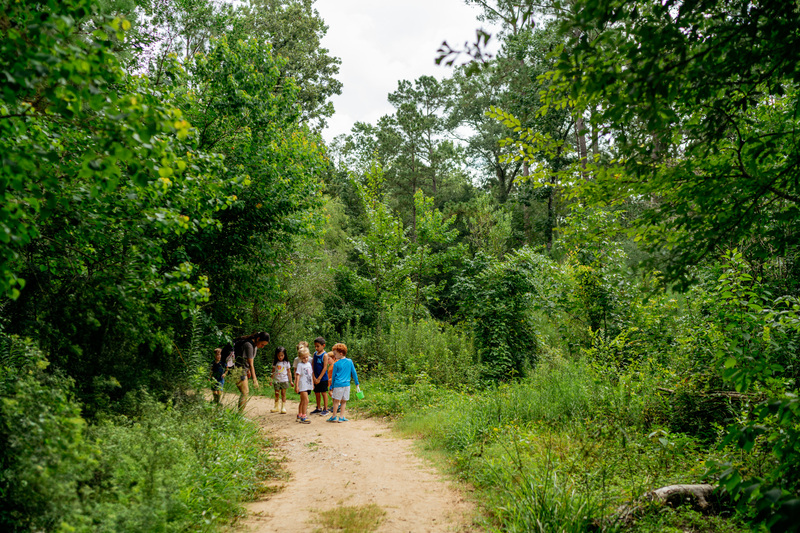
Wild Preschool is a place where childhood stays wild, learning is alive, and your child’s days are spent exploring, imagining, and growing in nature. We are a fully outdoor, all-weather, drop-off preschool program for potty-trained children ages 3 to 5. Our program runs September through May and meets Monday-Thursday from 9:00 AM to 1:00 PM.

Why Parents Choose Wild Preschool?

  • Fully outdoor, all-weather program
  • Child-led, play-based learning guided by expert nature educators
  • Low student-to-teacher ratios for safety and connection
  • Immersive curriculum that builds real-life skills
  • Daily communication and monthly reports keep you connected
  • Warm, community-centered environment

East Houston

Our Daily Rhythm:

What Does a Day Look Like?

We use the same anchoring rhythm each day, which gives children comfort and helps them regulate, even though the details of each day change with the seasons, the weather, and the children’s interests.

west houston 01

west houston 01

  • Good Morning Song
    We begin each day by gathering together with a welcoming song that sets a positive tone and helps children feel part of the group.

  • Morning Circle
    In our circle, we introduce the theme or “wonder of the week,” share stories that spark curiosity, and talk about what we might explore together. Children take turns sharing their own thoughts, building listening skills and helping every voice be valued.

  • Invitations to Play
    Children dive into invitations thoughtfully set out by teachers. This might mean building with sticks, exploring sensory materials, or simply following their curiosity on a hike. It’s a time for imagination, movement, and self-directed discovery.

  • Focus Activity or Project
    Each day includes a main focus that ties into our seasonal or thematic learning. It could be creating nature art, learning a bushcraft skill, or working on yearlong projects like our phenology calendar or Adopt-a-Tree journals.

  • Snack
    We come together for a simple snack, practicing gratitude and taking care of our bodies. Children learn independence by managing their own food and water.

  • Sit Spot or Journaling
    This is a quiet moment when each child finds a favorite spot to sit, watch, listen, and reflect. Sometimes they draw or write in their journals. It’s a peaceful practice that builds mindfulness and deepens their connection to place.

  • Nature Connection Game
    Each day includes a playful game that connects back to nature, like “Owl Eyes” to sharpen observation or “Fox Feet” to practice being sneaky. These games weave in teamwork, sensory skills, and joy.

  • Song or Chant
    Before closing circle, we come back together with a song or chant that ties to our week’s theme, building memory and community through rhythm and repetition.

  • Closing Circle
    At the end of the day, we gather to share our “story of the day” which are the moments that stood out to each child, and express gratitude for our experiences and for
    each other. We close with a goodbye song and enjoy a warm drink, sending children home calm, happy, and connected.

Our Curriculum

How We Teach and Why it Works

At Wild Preschool, learning begins outside, guided by children’s natural curiosity, seasonal changes, and local ecology.

We build our curriculum around four core approaches:

Emergent Curriculum

We watch carefully to see what sparks children’s interest, then plan learning invitations that build on those wonders. If children become fascinated by bird nests, we might build our own nests, read stories about birds, and track local birds together.

Coyote Mentoring

Our teachers guide more by asking than telling. Through stories, questions, and gentle nudges, they help children develop their own observations, theories, and connections. This grows critical thinking and self-driven learning.

Flow Learning

Our daily rhythm matches the natural energy of children. We begin by inspiring curiosity, move into open-ended exploration and focused activities, then wind down with calm reflection. This helps children stay engaged, balanced, and regulated.

Place-Based and Seasonal Education

We learn directly from our local land. Children come to know the trees, animals, weather patterns, and cycles of our area through repeated visits. The curriculum follows the seasons, making learning deeply relevant and memorable.

What do we teach?

Our curriculum intentionally supports the whole child, aligned with Texas Prekindergarten Guidelines and TEKS for Kindergarten Readiness, while staying true to learning through nature.

Personal and Social Growth

Children learn self-regulation, empathy, and how to navigate friendships through cooperative play, conflict resolution, and shared adventures. They also develop a sense of responsibility by caring for the land and each other.

Physical Development

Climbing trees, balancing on logs, digging, and running on uneven ground strengthen gross motor skills. Fine motor abilities grow through nature journaling, weaving grasses, sorting seeds, and safe tool work. Children also learn independence by managing their gear and snacks.

Communication and Language

Each day is rich with storytelling, nature discussions, songs, and imaginative play. Children build strong vocabulary and expressive language, begin writing their names, make signs, and learn to listen thoughtfully and speak with respect.

Early Academics

Children naturally explore counting, measurement, sorting, and patterns with acorns, sticks, puddles, and leaves. They investigate life cycles, habitats, and make predictions about weather and animal behavior. Problem-solving happens through building projects, teamwork, and self-directed experiments.

Creativity and Artistic Expression

Children create with what nature offers: painting with mud, making leaf rubbings, building clay figures, weaving with reeds, and dancing to birdsong. Dramatic play and music arise organically from their experiences outdoors.

Environmental Literacy

Children practice planning, organizing, focusing, and adjusting plans through complex play and group projects. Sit spots and quiet observation build mindfulness, while facing weather and trying again after failures builds true resilience.

west houston 01

Our Monthly Themes

Throughout the school year, we follow seasonal themes that give children a sense of rhythm, keep learning tied to our local environment, and build anticipation and joy. Each theme weaves in elements of nature study, social and emotional growth, physical challenges, creativity, and stewardship.

September: Welcoming and Belonging

Children settle in, make new friends, learn routines, and map out their new outdoor classroom.

October: Trees, Leaves, and Seeds

Each child adopts a tree to visit all year. We explore leaves, seeds, and how trees change through the seasons.

November: Local Animals and Tracking

We look for animal tracks, feathers, nests, and signs of wildlife, keeping a class log of what we discover.

December: Weather and Winter

Children track weather changes, play with wind and ice, and create lanterns for our special winter solstice celebration.

January: Bushcraft and Outdoor Skills

Kids learn simple bushcraft like building shelters, tying knots, and safely using child- friendly tools.

February: Water and Wetlands

We explore water by making mini-wetlands, testing what floats or sinks, and playing in puddles and mud.

March: Growth and New Life

Children plant seeds, watch for pollinators, build bug hotels, and celebrate the start of spring.

April: Habitats and Homes

We study how animals build homes, make bug hotels and fairy houses, and compare nests, burrows, and dens.

May: Celebration and Stewardship

As the year closes, we reflect on our time together, give back to the land, and celebrate with families at a picnic.

Year long Projects

Some projects continue all year, helping children build deeper observation skills and a sense of place.

These are just examples of projects that could be done in Wild Preschool:

  • Phenology Calendar: Tracking weather, plants, and animal changes week by week.

  • Sit Spot Anthology: Quiet time in nature, with children’s observations collected into a keepsake.

  • Adopt-a-Tree Journals: Regular visits to each child’s special tree, recording how it changes.

  • Nature Museum: Collecting and studying treasures like feathers, seeds, and rocks.

  • Class Garden or Pollinator Patch: Planting, tending, and harvesting (at sites where space allows).
west houston 01

How We Plan Each Week

At Wild Preschool, the year is carefully mapped out to follow our monthly themes and long-term projects. These give shape and depth to our learning journey, keeping children rooted in seasonal cycles and the natural world.

But within that broad plan, each week is crafted with care by our teaching team to meet the unique group of children in that class. This is the heart of our emergent curriculum. Teachers observe what has sparked curiosity, how the children are developing socially and emotionally, and what the land is offering right now—then build the week around it.

Each week includes these key components:

Song of the Week:

Each week, we introduce a new song or chant tied to our monthly theme. Singing daily builds language, rhythm, memory, and creates a joyful sense of community.

Skills of the Week:

We highlight both a developmental skill (like sharing, turn-taking, or balancing) and a nature skill (like knot tying, using magnifiers, or leaf identification) that we intentionally focus on throughout the week. These are woven naturally into our stories, games, and activities.

Nature Connection Game of the Month:

Each monthly theme includes planned nature connection games. These might be camouflage games to learn how animals hide, or “Owl Eyes” to practice quiet observation. Playing them over several weeks builds mastery, teamwork, and deepens sensory awareness.

Daily Focus Activities:

Teachers choose specific hands-on activities for each day from a broad curriculum tied to the month’s theme. For example, in October we might do bark rubbings on one day, build leaf crowns on another, or visit our adopted trees to draw changes we see. On Wednesdays, part of our day is always dedicated to long-term projects like the phenology calendar, sit spot journals, or adding treasures to our nature museum.

Invitations to Play:

Each day also includes thoughtfully prepared materials and setups — like loose parts for building, sensory bins with seeds or mud, or weaving stations — that children can explore in their own way during free play.

How to Enroll

Enrolling is simple. Just follow these steps:

  1. Click your preferred location below.
    This will take you to that site’s specific registration page, where you can see exactly which days are offered each week and the tuition for your schedule.

  2. Click Register

  3. Select the number of days per week.
    You need to enroll your child in a minimum of 2 days per week. Most families choose 3 or more days for the deepest experience.

  4. Choose your payment option.
    • Pay in full for the year and automatically receive 10% off tuition.
    • Or select the convenient payment plan to spread tuition over 9 monthly installments.

  5. Complete your registration.
    After you submit your registration and payment, you’ll receive a welcome email with next steps.

If you have any questions at any point, please email us at This email address is being protected from spambots. You need JavaScript enabled to view it.. We’re happy to help.


Enroll Now

Frequently Asked Questions

Does my child need to be potty trained?

Yes. All children must be fully potty trained, able to pull their pants up and down, and use a toddler-sized or standard toilet with minimal help.

Can I enroll my child for just one day?

No. We require a minimum of two days per week, and recommend three or more for the richest experience. This helps children settle in, build friendships, and thrive in the program.

Can I enroll by the month or semester?

No. Wild Preschool is a full school year commitment from September through May. This allows us to provide consistent programming and retain dedicated staff.

Is there an indoor classroom at The East Houston location?

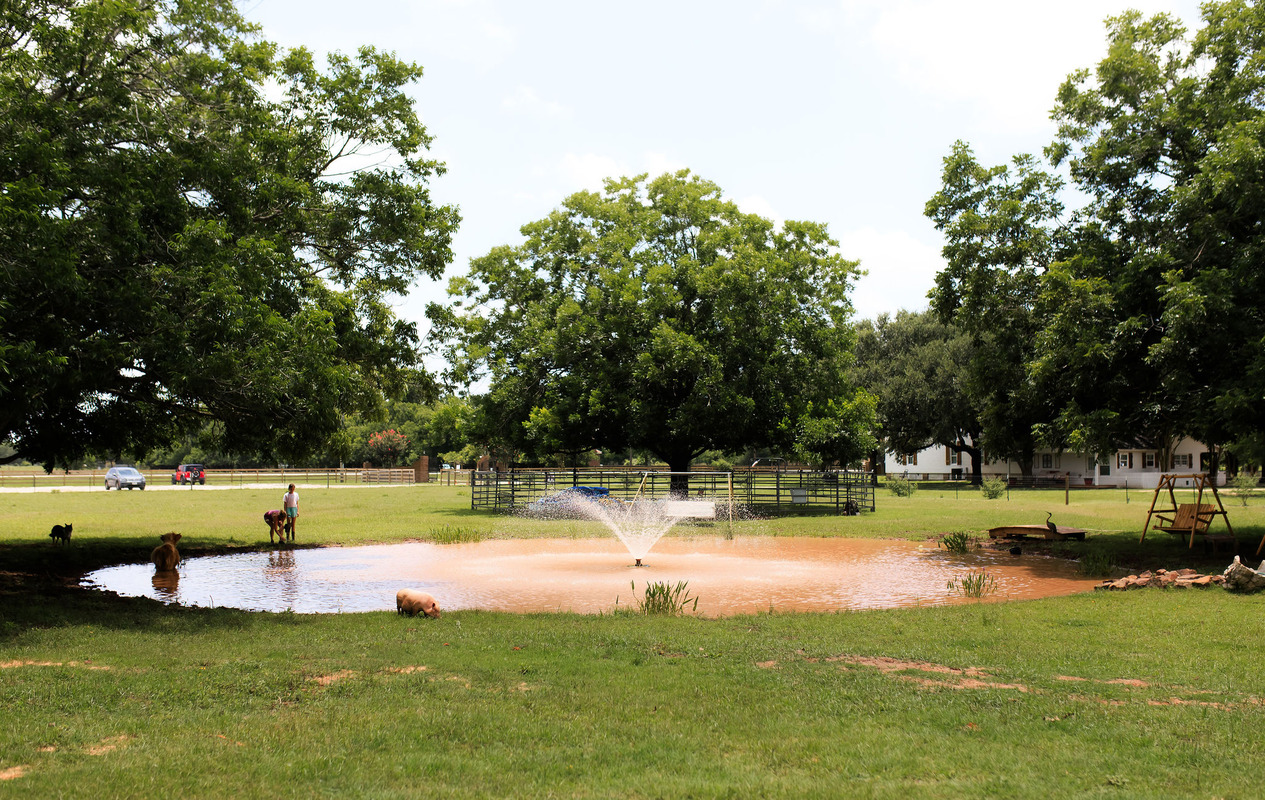
No, this site is fully outdoors. It includes covered outdoor areas and a private indoor bathroom, but does not have a dedicated indoor classroom. Children spend their entire day immersed in nature, using shelter structures only for shade or light rain.

Will my child be outside the whole time?

Yes. We embrace all kinds of weather—rain, shine, or mud—so children can build resilience and learn with the seasons.

Will my child swim?

No. We splash and play in water but will never swim.

Is there early drop-off or late pick-up?

Classes run 9:00 AM to 1:00 PM, with drop-off starting at 8:45 AM. There’s a 5-minute grace period for pick-up.

Do you teach academics like reading and math?

Yes, but always in a way that’s meaningful and developmentally appropriate. Children build early literacy, math, and science skills through hands-on experiences in nature—counting acorns, measuring puddles, tracking animal prints, and more.

How much structure is there?

Our days follow a familiar rhythm with circle time, nature walks, focused projects, free play, and closing circle. Within this structure, children lead much of their own learning through curiosity and exploration.

Can I request a specific teacher for my child?

No. Children will build relationships with all teachers and classmates. This helps develop flexibility, trust, and community.

Can I stay with my child for the first few days?

As a rule, no. Staying often makes it harder for children to adjust. Our experienced teachers support children gently through this transition. If you’re concerned, consider starting with one of our caregiver-child classes first.

Can parents hang out nearby during class?

No. We ask parents to leave after drop-off to support healthy separation and engagement.

What payment options do you offer?

You can pay for the year in full and automatically receive 10% off tuition, or choose a payment plan with an upfront deposit plus monthly installments. You can see updated tuition prices by going to our booking page, here.

Is there a registration fee?

Yes. A non-refundable $50 registration fee is required.

What is your Cancellation and Refund Policy for Wild Preschool?

Program Registration Fees are non-refundable and non-transferable, and are not considered part of your tuition. This means the $50 registration fee cannot be refunded or applied to another program, person, or season.

Here’s how our tuition refund policy works if you need to withdraw from Wild Preschool:

30 days or more before the program start date

  • You will receive a full refund of all paid program tuition (excluding the non-refundable registration fee).

Fewer than 30 days before the program start date

  • If you paid in full: You will receive a refund of your tuition paid, minus a late withdrawal fee which equals the average of one month's tuition for the number of days your child was enrolled in.
  • If you’re on a payment plan: You will be responsible for paying the amount of your first month’s installment.

On the first day of class through 30 days after

  • If you paid in full: You will receive a 75% refund of total tuition.
  • If you’re on a payment plan: You will still be responsible for 25% of the total tuition, even if you withdraw.

31 to 60 days after the first day of class

  • If you paid in full: You will receive a 50% refund of total tuition.
  • If you’re on a payment plan: You will still be responsible for 50% of the total tuition.

61 to 90 days after the first day of class

  • If you paid in full: You will receive a 25% refund of total tuition.
  • If you’re on a payment plan: You will still be responsible for 75% of the total tuition.

After 90 days from the program start date

  • No refund will be given.
  • If you’re on a payment plan, you are required to pay the tuition in full and continue the remainder of your scheduled installment payments.

How to Cancel

If you need to cancel your enrollment, please email us at This email address is being protected from spambots. You need JavaScript enabled to view it.. Our team will guide you through the process and answer any questions you might have.

Will class be canceled if the weather is bad?

Because there is no indoor classroom here, we do cancel or postpone if severe weather is forecasted — like thunderstorms, high winds, or local flooding — to ensure everyone’s safety. Families are always notified via ClassDojo and email at least one hour before class starts. There is an indoor building onsite to shelter in case of sudden severe weather.

Is The Wild Preschool Program a licensed child care facility?

The Wild Preschool is exempt from traditional child care licensing under Texas law. As a part-day, nature-based educational program for potty- trained children ages 3 to 5 — operating on a school-year calendar with a curriculum rooted in Texas Prekindergarten Guidelines and TEKS — we qualify for an exemption under Texas Administrative Code §745.129, formally recognized by Texas Health & Human Services.

We exceed minimum state standards by maintaining small ratios, employing trained staff certified in CPR and First Aid, and implementing detailed safety, weather, and emergency protocols.

What is the price of tuition?

Tuition at Rose Therapeutic depends on the number of days you enroll in each week. For the most up-to-date tuition rates and availability at this location, please visit our booking site by clicking here.

Slide

Simple, Flexible Pricing

See What It Costs to Join

Lorem ipsum dolor sit amet consectetur. Sollicitudin fames diam pretium duis ultricies nisi quis ac id. Id diam vivamus amet augue arcu nec hendrerit amet. Placerat libero feugiat enim pellentesque urna. Amet ut varius varius tellus donec felis egestas habitant.

logo

At The Wild School, we believe that immersing children in nature from an early age is not just beneficial but essential for developing a lifelong love of learning and a robust foundation for personal success.